
Citizen Inclusion in Power-Sharing Settlements
International Collaborative Research Program in the Social Sciences with Europe
(ORA Program)
Overview
This program is a large-scale, multilateral international collaborative research initiative of which only two projects are selected worldwide. It is conducted in cooperation with major research funding agencies from four countries including those in Europe. More than 20 researchers from seven countries will participate.
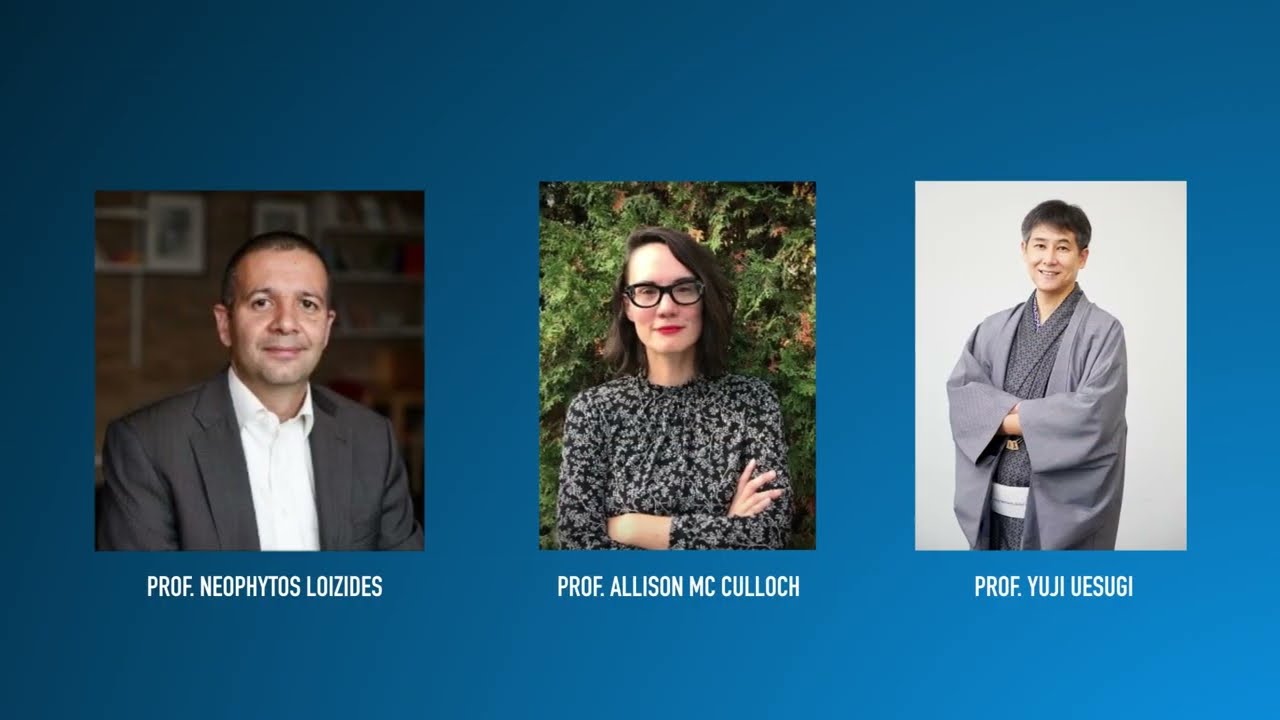
From Japan, Professor Yūji Uesugi of Waseda University serves as the principal investigator, and multiple scholars from the university’s Political Science and Economics Academy and the Graduate School of Social Sciences will take part.
Research Objectives
This project aims to shed light on the relationship between peace negotiations and the preferences of ordinary citizens. Specifically, it seeks to clarify how elite-level power-sharing agreements influence the achievement and durability of peace, as well as the promotion of democratization.
Building on existing research on top-down peace negotiations and civil war termination, the project incorporates a bottom-up peacebuilding perspective. The research will be conducted through the following five teams, each examining a core question:
1. Under what conditions is power sharing accepted as an effective tool for conflict resolution? Under what conditions are power-sharing agreements more likely to be revised or reformed during the implementation phase?
2. What factors influence ordinary citizens’ support for or rejection of peace achieved through power sharing?
3. To what extent do public preferences shape elites’ adoption or revision of power-sharing agreements? What kinds of capacities do ordinary citizens possess that enable them to exert influence in this process?
4. How do political parties and community leaders persuade their constituencies to accept power-sharing solutions? What types of incentives, interventions, or mediation styles contribute to successful persuasion?
5. How do referendums affect the adaptability and sustainability of power sharing? How do referendum outcomes influence the implementation of conflict resolution based on power sharing?
As an international collaborative project, the Japanese team will include early-career researchers as co-investigators, providing them with valuable opportunities to gain experience in international research collaboration.
Furthermore, field data will be collected jointly with local collaborators in multiethnic states that have experienced conflict. This will help build research networks with scholars in Mindanao (Philippines), Bosnia and Herzegovina, Cyprus, Lebanon, Northern Ireland, South Africa, and New Caledonia (France).
All data collected through this project will be compiled into a publicly accessible database after the project concludes.
Before public release, early-career Japanese researchers will be granted priority access to the data to support the development of individual or collaborative studies, with the aim of submitting papers to internationally recognized academic journals. The project also plans to publish an English-language research volume as a major collective output, allowing young Japanese scholars to contribute as sole or co-authors.
Research Plan
This three-year project allocates Years 1 and 2 to data collection and analysis, and Year 3 to reporting research outcomes. One of the key results will be the creation of a database on post–Cold War ethnic conflict peace agreements that include negotiated or agreed forms of power sharing. The data will trace changes in power-sharing arrangements from the negotiation stage to implementation and subsequent peacebuilding processes.
Rather than covering all ethnic conflicts, the study will focus on seven selected cases for comparative analysis. As shown below, the cases are categorized into three groups according to their peacebuilding trajectories. Based on the research outcomes, practitioner-oriented training will be organized, and YouTube videos will be produced to disseminate findings to the broader public.
Cases Where Peace Has Been Consolidated
-
South Africa
-
Northern Ireland
Cases of Unstable Peace
-
Bosnia and Herzegovina
-
Lebanon
Cases in Which Future Power Sharing Is Anticipated
-
Cyprus
-
Mindanao
-
New Caledonia
Research Team
Japan Team


Video from the conference in New Caledonia
1- Paix inclusive : l'inclusion des citoyens dans les règlements de partage du pouvoir
1- Paix inclusive : l'inclusion des citoyens dans les règlements de partage du pouvoir

2- Paix inclusive : l'inclusion des citoyens dans les règlements de partage du pouvoir
